Introduction: Why This Confusion Hurts Business Growth
Many businesses invest in ads, social media, and promotions—but still struggle with low trust, weak recall, or poor conversions.
The problem is not marketing alone.
It’s confusing marketing with branding.
Branding and marketing are closely connected, but they are not the same thing. When you understand how they differ—and how they work together—you make better decisions, spend smarter, and grow more consistently.
In this guide, you’ll learn:
- The simple difference between branding and marketing
- Why local and growing businesses must invest in both
- How branding supports marketing performance
- Which one to focus on first, based on your business stage
This article is written for business owners, founders, and marketers who want clarity without jargon.
Key Differences Explained Simply
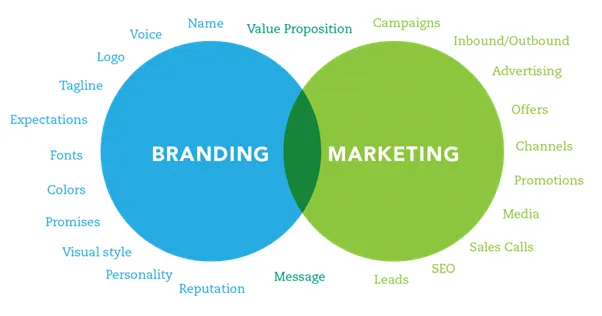
Branding = Identity
Branding is who you are.
It defines how people recognize, remember, and emotionally connect with your business—even when you are not actively promoting it.
Branding includes:
- Brand purpose and positioning
- Logo, colors, typography
- Tone of voice and personality
- Customer experience and perception
Branding is the identity of a business. It shapes how a brand looks, feels, and is perceived by customers over time.
Strong branding builds trust, loyalty, and long-term value.
Marketing = Promotion
Marketing is how you get attention and drive action.
It focuses on communicating your offer to the right audience at the right time.
Marketing includes:
- Advertising (Google, Meta, display ads)
- SEO and content marketing
- Social media campaigns
- Email and messaging campaigns
Marketing is the process of promoting products or services to attract, engage, and convert customers.
Marketing creates visibility and demand, but it works best when branding is clear.
Branding vs Marketing at a Glance
| Branding | Marketing |
| Who you are | How you promote |
| Long-term | Short-term |
| Builds trust | Drives traffic |
| Emotional connection | Tactical execution |
| Strategic foundation | Growth accelerator |
Why Local Businesses Must Care About Both
High Competition Areas
In most markets today:
- Customers have multiple similar options
- Products and prices are easy to compare
- Switching costs are low
Without branding, businesses compete only on price or discounts.
With branding, businesses compete on value and trust.
Rising Customer Expectations
Modern customers expect:
- Professional design and messaging
- Consistent experience across website, ads, and social media
- Brands that feel reliable and authentic
If marketing promises one thing but branding delivers another, trust drops quickly and so do conversions.
How Branding and Marketing Work Together
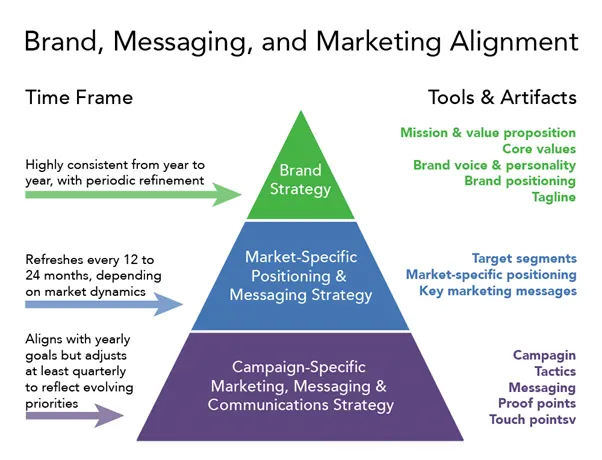
Brand Strategy → Campaign Messaging
Brand strategy defines:
- Who your audience is
- What you stand for
- What makes you different
Marketing then turns that clarity into:
- Ad copy and headlines
- Content themes
- Campaign messaging
When branding is weak, marketing messages feel scattered and forgettable.
Identity → Creatives
Your brand identity influences:
- Ad designs
- Website visuals
- Social media posts
- Sales materials
When branding is consistent:
- Marketing looks professional
- Recognition improves
- Conversion rates often increase
Marketing amplifies branding. Branding strengthens marketing.
Examples of Brands Doing This Right
Brands that grow sustainably usually:
- Have a clear brand position
- Use consistent visuals and tone everywhere
- Align campaigns with brand values
- Focus on long-term trust, not just short-term sales
Across industries, successful brands don’t treat branding and marketing as separate silos—they treat them as one system.
Branding or Marketing: Which Should You Focus On First?
Short, Clear Answer (Featured Snippet Ready):
Branding should come first, followed by marketing. Branding creates clarity and trust, while marketing amplifies that clarity to generate leads and sales.
Practical Guidance
- New businesses:
Start with basic branding, then market - Businesses with traffic but low conversions:
Improve branding before increasing ad spend - Established businesses scaling up:
Strengthen branding and marketing together
Marketing without branding is expensive.
Branding without marketing stays invisible.
Common Mistakes Businesses Make
- Treating branding as “just a logo”
- Running campaigns without clear positioning
- Inconsistent visuals and messaging
- Copying competitors instead of differentiating
Avoiding these mistakes saves money and builds stronger customer relationships.
FAQs: Branding vs Marketing
Is branding only for large companies?
No. Branding is essential for businesses of all sizes, especially in competitive markets.
Can marketing succeed without branding?
Short-term, yes. Long-term, no. Weak branding reduces trust and repeat business.
How often should branding be updated?
Branding should evolve slowly. Small refinements are better than frequent rebrands.
Conclusion: Stop Choosing—Start Aligning
Branding and marketing are not rivals.
They are partners.
Branding builds belief.
Marketing builds reach.
Together, they build businesses people recognize, trust, and choose repeatedly.
If you’re unsure whether your business needs stronger branding, better marketing, or both, a brand and marketing clarity audit can highlight where growth is being blocked.
Clarity often delivers faster results than bigger budgets.