7 Branding Mistakes That Kill FMCG Sales (And How to Fix Them)
Branding mistakes in FMCG often include unclear positioning, ineffective packaging, inconsistent messaging, and lack of differentiation. These issues reduce visibility, weaken customer trust, and directly impact purchase decisions, leading to lower sales.
Why Branding Matters in FMCG
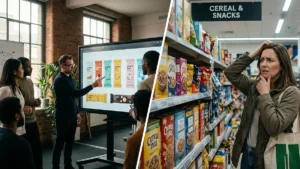
In the FMCG space, customers make decisions in seconds. Most products compete on crowded shelves where visual appeal, clarity, and trust play a decisive role.
Strong branding helps a product:
- Stand out instantly
- Communicate value quickly
- Build familiarity and trust
- Influence impulse buying
Without a clear branding strategy, even a high-quality product can go unnoticed.
What Are the Most Common Branding Mistakes in FMCG?
Many FMCG brands struggle not because of poor products, but because their branding fails to connect with consumers effectively. Below are the most critical mistakes that directly affect sales performance.
Top 7 Branding Mistakes That Reduce FMCG Sales
1. Weak Brand Positioning
When a brand does not clearly communicate what makes it different, it gets lost among competitors. Customers are less likely to choose a product that lacks a clear identity or purpose.
How to fix it:
Define a strong positioning that highlights your unique value, target audience, and core promise.
2. Ineffective Packaging Design
Packaging is often the first interaction a customer has with your product. Poor design, cluttered information, or lack of visual hierarchy can reduce shelf impact.
How to fix it:
Focus on clean, strategic packaging that balances aesthetics with clarity and highlights key benefits instantly.
3. Lack of Differentiation
Many FMCG products look and feel similar, making it difficult for customers to distinguish between options.
How to fix it:
Develop a distinct visual identity and messaging that sets your brand apart from competitors.
4. Inconsistent Brand Communication
Using different tones, visuals, or messages across platforms creates confusion and weakens brand recall.
How to fix it:
Maintain consistency in design, tone, and messaging across packaging, advertising, and digital channels.
5. Ignoring Consumer Psychology
Brands that fail to understand customer behavior, preferences, and emotional triggers struggle to connect.
How to fix it:
Design branding elements based on how customers perceive value, trust, and quality.
6. Overcomplicated Design
Too much information or overly complex visuals can overwhelm customers and reduce clarity.
How to fix it:
Keep design simple, focused, and easy to understand at a glance.
7. No Clear Brand Strategy
Without a structured approach, branding decisions become inconsistent and reactive.
How to fix it:
Develop a comprehensive brand strategy that guides identity, communication, and growth.
How Branding Directly Impacts FMCG Sales
Effective branding influences:
- Shelf visibility
- First impressions
- Perceived product value
- Customer trust
- Repeat purchases
A well-branded product not only attracts attention but also builds long-term loyalty.
Branding Mistakes vs Business Impact (table)
| Branding Mistake | Impact on Sales |
| Weak positioning | Low differentiation |
| Poor packaging | Reduced shelf visibility |
| Inconsistent messaging | Weak brand recall |
| No strategy | Unstable growth |
How to Build Strong FMCG Branding
To avoid these mistakes, brands should:
- Invest in strategic brand development
- Focus on packaging as a sales tool
- Maintain consistency across touchpoints
- Continuously refine based on consumer insights
A structured branding approach ensures long-term success rather than short-term fixes.
7 Branding Mistakes in FMCG (Quick List)
- Weak brand positioning
- Poor packaging design
- Lack of differentiation
- Inconsistent communication
- Ignoring consumer psychology
- Overcomplicated design
- No clear brand strategy
FAQs
What are the most common branding mistakes in FMCG?
The most common branding mistakes in FMCG include weak brand positioning, poor packaging design, lack of differentiation, inconsistent communication, ignoring consumer psychology, overcomplicated design, and absence of a clear brand strategy.
How does packaging design affect FMCG sales?
Packaging design influences visibility, perception, and trust. Well-designed packaging can significantly increase purchase likelihood.
Can branding increase sales in FMCG?
Yes, strong branding improves recognition, builds trust, and influences buying decisions, leading to higher sales.
Why is differentiation important in FMCG branding?
Differentiation helps a product stand out in crowded markets and gives customers a clear reason to choose it.
Final Thought
In FMCG, success is not just about the product—it’s about how the product is presented, perceived, and remembered.
Brands that invest in clear, strategic, and consistent branding create stronger connections with customers and achieve sustainable growth.
As a strategic branding agency in India, Procreate Branding works with FMCG and consumer brands to create impactful branding systems that improve visibility, differentiation, and sales performance.