How Packaging Design Impacts Sales (FMCG Case Insights)
Your Packaging Is Either Selling—or Sitting
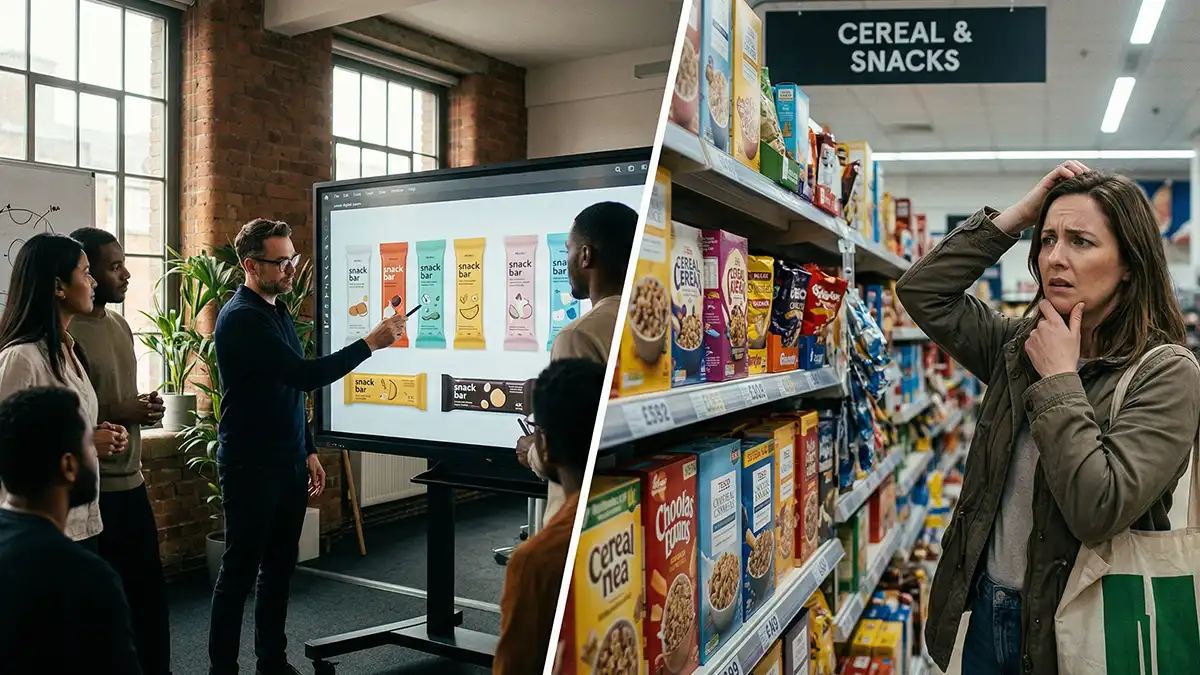
Most FMCG brands believe their packaging is “good enough.”
It looks modern.
It follows trends.
It gets compliments internally.
But here’s the real question:
Is it getting picked from the shelf?
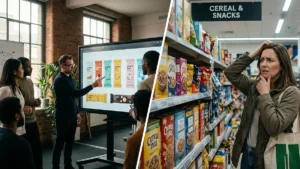
Because in FMCG, sales don’t happen in meetings.
They happen in 2–10 seconds at the shelf.
And in that moment—
your packaging is your salesperson.
The Truth: Packaging Design Directly Impacts Sales
Packaging is not just about aesthetics.
It directly influences:
- Shelf visibility → whether your product is noticed
- Consumer attention → whether someone pauses
- Trust perception → whether they feel confident buying
- Trial decision → whether they pick your product
If your packaging fails at any of these, sales drop—no matter how strong your marketing is.
Case Insight #1: “Looks Good, Doesn’t Sell”
A brand approached us with a familiar problem:
“Our packaging looks great—but sales haven’t improved.”
At first glance, the design was clean and premium.
But on shelf?
- It blended into the category
- It lacked contrast
- It had no visual hierarchy
- The brand message wasn’t clear
It was designed for screens—not shelves.
What Changed:
We reworked the packaging based on:
- Shelf visibility principles
- Consumer scanning behavior
- Stronger hierarchy and contrast
Result:
The product became instantly noticeable
Consumer trial improved
Same product. Same distribution. Different outcome—because of packaging.
Case Insight #2: The Psychology Gap
Another common issue:
Brands design based on:
- Trends
- Internal opinions
- “What looks premium”
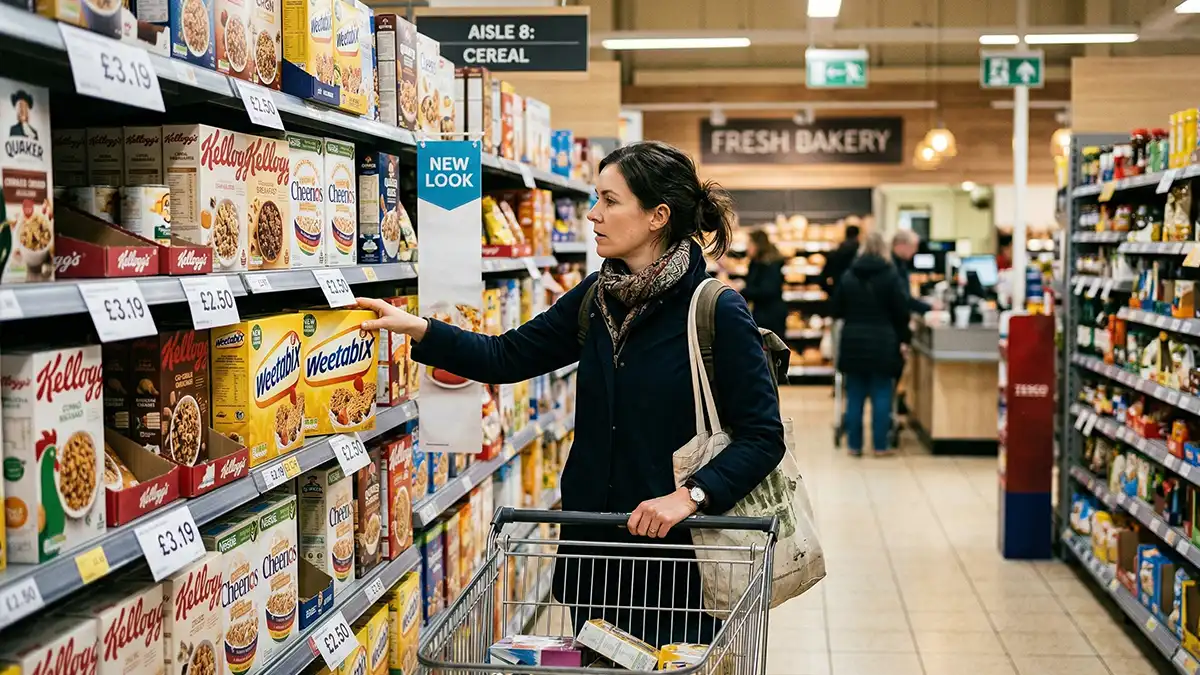
But consumers don’t think like designers.
They think:
- “What is this?”
- “Can I trust it?”
- “Is it worth trying?”
And they decide in seconds.
What Most Brands Miss:
- Clarity beats creativity
- Recognition beats uniqueness
- Trust signals beat decoration
Packaging must communicate instantly—not impress slowly.
What Actually Drives Packaging Performance
From years of FMCG experience, we’ve seen that high-performing packaging consistently delivers on 5 key elements:
- Shelf Visibility
If your product doesn’t stand out, it doesn’t exist.
This depends on:
- Color contrast
- Shape differentiation
- Visual disruption
Standing out is the first step to selling.
- Clear Visual Hierarchy
Consumers don’t read—they scan.
Your packaging must instantly answer:
- What is the product?
- What is the benefit?
- Why should I care?
If this isn’t clear in 2 seconds, you lose.
- Positioning Clarity
Your design must communicate:
Are you premium?
Affordable?
Healthy?
Indulgent?
If positioning is unclear, consumers move on.
- Trust Signals
Especially in FMCG, trust is everything.
This includes:
- Typography
- Structure
- Brand consistency
- Visual credibility
If it doesn’t feel trustworthy, it won’t get picked.
- Real-World Performance (Not Just Design Files)
This is where most agencies fail.
They design in:
- Perfect lighting
- Clean screens
- Controlled environments
But real shelves are:
- Crowded
- Messy
- Visually noisy
Packaging must be tested in realistic retail environments.
Why Most Packaging Design Fails
Based on what we’ve seen, failures usually come from:
- Designing for aesthetics, not performance
- Ignoring shelf context
- Lack of strategic clarity
- No consumer psychology applied
- No real-world validation
In short: design without strategy
Our Approach: From Design to Sales Tool
At Procreate, we don’t treat packaging as a creative output.
We treat it as a business system.
Our approach:
- Strategy First
We define positioning before design
- Consumer-Led Thinking
We design for how people actually choose
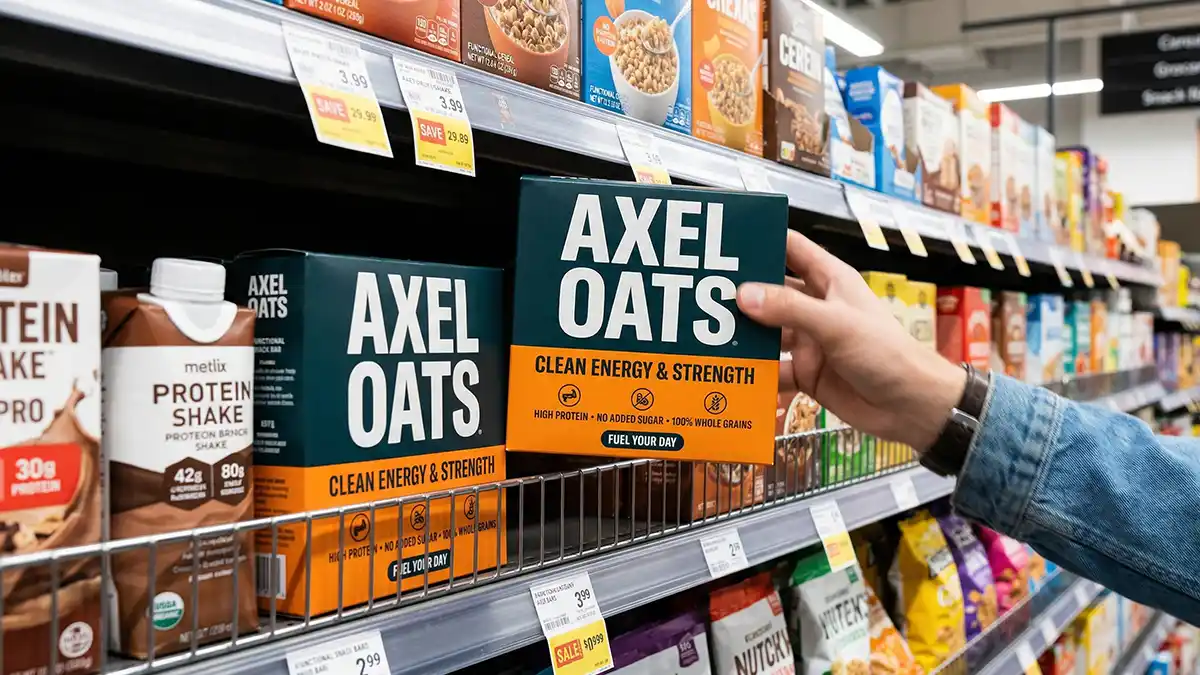
- Shelf Simulation
We test how it performs in real environments
- Clear Recommendations
Not options—decisions backed by logic
Because packaging should not just look good.
It should sell.
The Shift That Changes Everything
Most brands ask:
“Does this look good?”
Winning brands ask:
“Will this get picked?”
That one shift transforms:
- Design decisions
- Brand positioning
- Business outcomes
Final Takeaway
Packaging design is not a cost.
It’s a growth lever.
When done right, it:
- Increases visibility
- Drives trial
- Builds trust
- Strengthens positioning
When done wrong, it:
- Gets ignored
- Gets lost
- Gets replaced
Want to Know If Your Packaging Is Costing You Sales?
If your product isn’t performing as expected, your packaging might be the reason.
👉 Book a Strategic Brand Audit
👉 Get clarity on what’s working, what’s not, and what to fix
Frequently Asked Questions (FAQs)
How do I know if my packaging is hurting my sales?
If your product has good distribution and visibility but low off-take, packaging could be the issue. Common signs include:
- Customers noticing but not picking the product
- Low repeat purchases despite good quality
- Poor differentiation on shelf
What matters more attractive design or clear communication?
Clear communication always wins.
In FMCG, consumers don’t spend time decoding design—they scan quickly.
Your packaging must instantly answer:
- What is the product?
- Why should I choose it?
How long does it take to redesign packaging effectively?
A strategic packaging redesign typically takes 3–6 weeks, depending on:
- Research depth
- Number of SKUs
- Testing and revisions
Can packaging alone increase sales without changing the product?
Yes.
If the product quality is already good, packaging can significantly improve:
- Visibility
- First-time trials
- Perceived value
What is included in a professional packaging audit?
A comprehensive packaging audit usually covers:
- Shelf visibility analysis
- Competitor comparison
- Consumer behavior insights
- Visual hierarchy evaluation
- Trust and positioning assessment