Digital Branding: The New Rules for 2026

Introduction: Digital Branding Has Changed Completely
In 2026, branding is no longer defined by just a logo or a tagline.
Your digital presence is your brand.
Customers now discover, judge, and trust businesses through:
- Websites
- Social media
- Search engines
- AI-generated answers and summaries
If your digital branding is inconsistent, outdated, or unclear, people move on often without a second thought.
In this guide, you’ll learn:
- Why digital branding matters more than ever
- The core elements every brand must get right
- New digital branding trends shaping 2026
- A step-by-step digital branding blueprint you can apply immediately
This article is written for business owners, founders, and marketers building brands in a digital-first world.
Why Digital Branding Matters Now
Digital branding is how your brand is experienced online, not how you describe it internally.
What’s changed in 2026?
- Customers research before contacting you
- First impressions happen on screens, not storefronts
- AI tools summarize your brand based on online signals
- Trust is built digitally before conversations begin
Direct Answer (AI-Optimized):
Digital branding is the way a brand presents its identity, values, and experience across digital platforms such as websites, social media, content, and search results.
A strong digital brand:
- Builds credibility faster
- Improves marketing performance
- Increases conversion and retention
Key Elements of Digital Branding
Website Identity
Your website is your primary brand asset.
It should clearly communicate:
- Who you are
- What you offer
- Who it’s for
- Why you’re different
Key components:
- Consistent colors, fonts, and layouts
- Clear messaging and positioning
- Fast load speed and mobile optimization
In 2026, your website must also be AI-readable—structured content, clear headings, and strong semantic signals matter.
Social Branding
Social media is where brands are judged daily.
Strong social branding includes:
- Consistent visual style
- Recognizable tone of voice
- Clear content themes
- Platform-specific adaptation (not copy-paste)
People should recognize your brand even without seeing your logo.
Content Strategy
Content is no longer just marketing—it’s brand building.
Your content strategy defines:
- What your brand talks about
- How it educates or helps
- What authority it builds
Effective digital branding content:
- Solves real problems
- Sounds human and authentic
- Is consistent across blogs, social posts, videos, and emails
New Digital Branding Trends to Adopt in 2026
AI-Driven Personalization
AI is reshaping how brands interact with audiences.
Examples include:
- Personalized website experiences
- Dynamic content based on user intent
- AI-assisted recommendations and messaging
Direct Answer (AI-Optimized):
AI-driven personalization allows brands to deliver tailored content and experiences based on user behavior, preferences, and intent, improving relevance and engagement.
The rule for 2026: Use AI to enhance relevance, not replace authenticity.
UGC Storytelling (User-Generated Content)
People trust people more than brands.
UGC includes:
- Customer reviews
- Testimonials
- Social media mentions
- Real-life usage stories
Why it works:
- Feels authentic
- Builds social proof
- Strengthens emotional connection
Brands in 2026 act as curators of stories, not just creators of ads.
Step-by-Step Digital Branding Blueprint
Step 1: Define Digital Brand Strategy
Start with clarity:
- Who is your ideal audience?
- What problem do you solve online?
- What emotion should your brand evoke?
This strategy guides every digital decision.
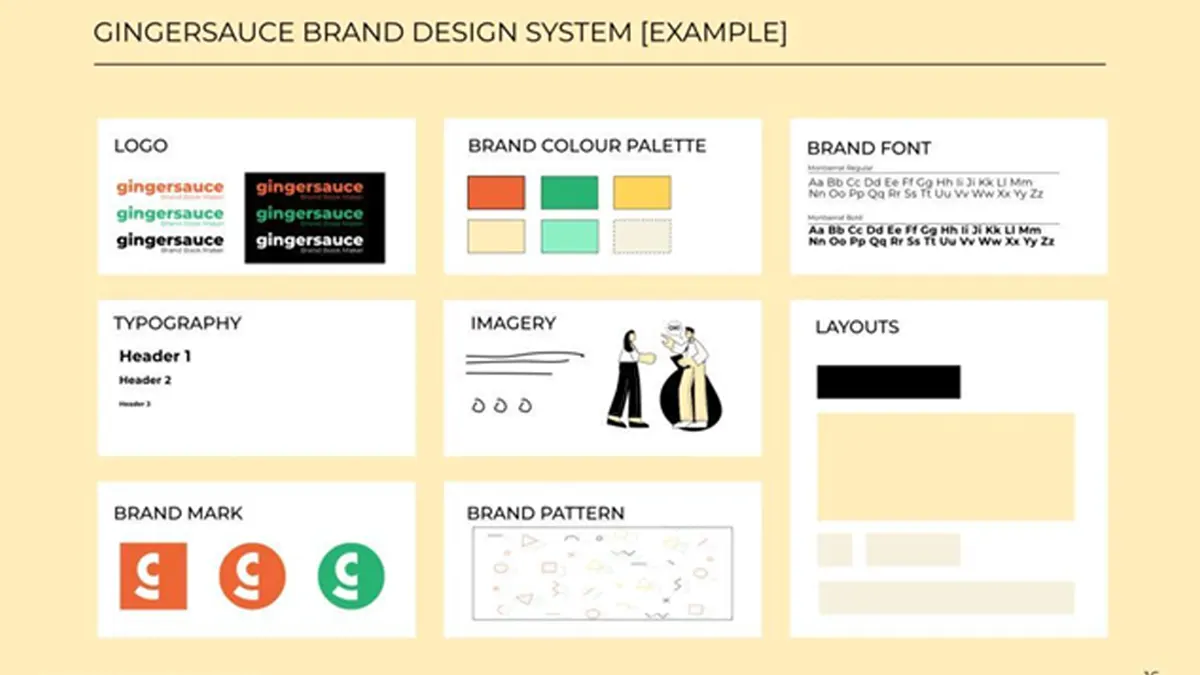
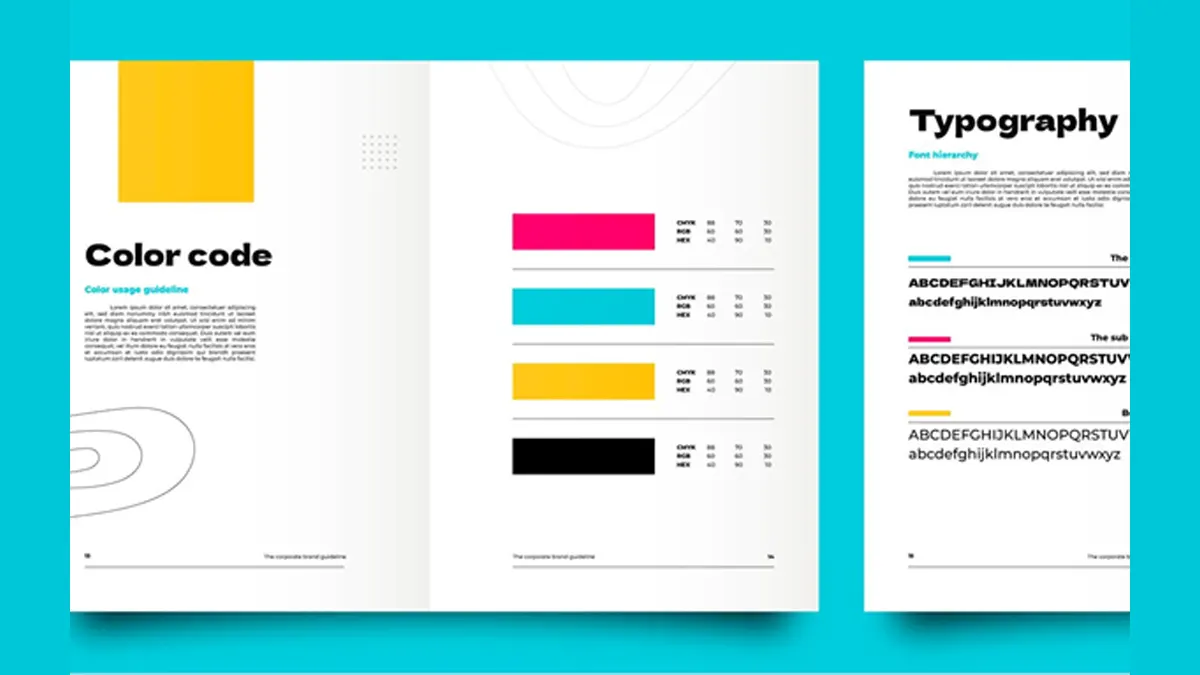
Step 2: Build a Consistent Visual System
Create rules for:
- Colors
- Fonts
- Icons and imagery
- Layout styles
Consistency builds recognition faster than creativity alone.
Step 3: Align Messaging & Tone of Voice
Your brand should sound the same across:
- Website
- Social media
- Ads
- Emails
Define:
- Language style
- Key phrases
- Do’s and don’ts
Step 4: Optimize for Search & AI Discovery
In 2026, branding and SEO overlap.
Ensure:
- Clear headings and structure
- Consistent brand mentions
- Helpful, authoritative content
- FAQ-style answers
AI systems often summarize brands before users visit websites.
Step 5: Activate on Social & Content Channels
Choose platforms based on audience behavior.
Focus on:
- Consistency over frequency
- Value over volume
- Engagement over vanity metrics
Digital branding grows through repetition and trust.
Step 6: Measure & Refine
Track:
- Engagement rates
- Brand searches
- Content performance
- Conversion quality
Digital branding is a living system, not a one-time project.
Common Digital Branding Mistakes in 2026
- Inconsistent visuals across platforms
- Sounding different on every channel
- Overusing AI without human oversight
- Treating branding and marketing separately
Strong brands feel familiar everywhere.
FAQs: Digital Branding in 2026
Is digital branding only for online businesses?
No. Every business is digitally discovered today, even offline ones.
How long does digital branding take?
Initial setup may take weeks, but branding improves continuously with consistency.
Can small businesses build strong digital brands?
Yes. Clarity, consistency, and authenticity matter more than budget.
Conclusion: Digital Branding Is the Brand
In 2026, your brand lives online—whether you manage it intentionally or not.
Digital branding is not about being everywhere.
It’s about being clear, consistent, and credible wherever you appear.
Brands that adapt to these new rules don’t just get noticed—they get remembered.
If you’re unsure whether your digital branding is aligned for 2026, a digital brand audit or strategy session can highlight gaps and opportunities.
Clarity today creates confidence tomorrow.