Best Branding Strategies for Startups in 2026 (Humanized, SEO-Optimized Guide)
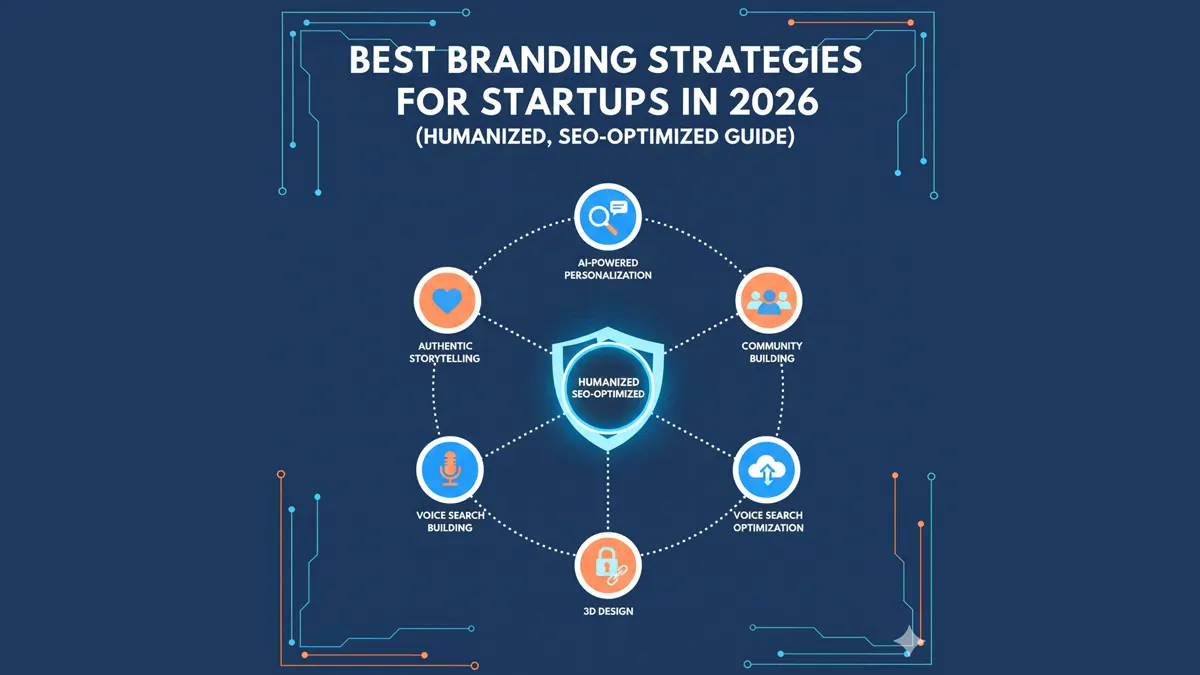
Best Branding Strategies for St…
If you’re launching or growing a startup in 2026, here’s the truth most founders eventually learn:
Your brand will decide your growth more than your product.
The startup world is crowded, attention spans are tiny, and trust is hard to earn. A great product might get people to try you…
but only a great brand gets them to stay.
Here’s what the data tells us:
- 90% of startups fail, largely because of weak positioning and unclear messaging.
- Consistent branding increases revenue by 23%.
- 81% of consumers say they must trust a brand before buying.
Branding is no longer just a design exercise — it’s your voice, identity, promise, personality, and long-term competitive advantage.
Let’s break down the most powerful branding strategies for startups in 2026, written in a human, simple, yet strategic way.
1. Start With a Clear & Honest Brand Purpose
Purpose-driven brands are the ones people remember.
Your brand purpose answers:
- Why does your startup exist (beyond making money)?
This matters because people don’t just buy products anymore — they buy the meaning behind them.
Why a Strong Purpose Helps in 2026
- Builds trust faster
- Creates emotional connection
- Helps you stand out from copycats
- Makes your brand memorable
Examples
- Nike: “To bring inspiration and innovation to every athlete.”
- Zomato: “Better food for more people.”
How to Find Your Brand Purpose
Ask yourself:
- What problem made you build this startup?
- What change do you want to create?
- What belief do you want your brand to stand for?
Keep it short. Keep it human. Keep it meaningful.
2. Build a Visual Identity That People Instantly Recognize
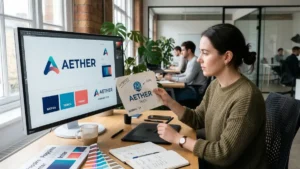
A visual identity is not just your logo — it’s the first handshake with your audience.
Your Visual Identity Includes
- Logo
- Color palette
- Typography
- UI/UX
- Social templates
- Patterns
- Buttons, icons, packaging
Important: People form an opinion about your brand in 0.05 seconds.
What Works in 2026
- Minimal logos that scale well
- Vibrant, bold color stories
- Friendly and readable typefaces
- Organic, flowing shapes
- Mobile-first brand systems
Pro Tip: Create a moodboard or a brand kit so your visuals stay consistent everywhere.
Because consistency builds recognition — and recognition builds trust.
3. Tell a Brand Story People Actually Care About
People don’t emotionally connect with a product. They connect with the story behind it.
Your Brand Story Should Answer
- Who are you?
- Why did you start?
- What problem did you see?
- What transformation do you create for your customers?
Simple Storytelling Framework
Hero → Problem → Journey → Solution → Transformation
Example
Slack didn’t say, “We built a communication tool.”
They said:
“We eliminate workplace chaos.”
Clean. Emotional. Relatable.
Your brand story is not a paragraph — it’s the heart of your communication.
4. Position Your Startup Clearly (Most Founders Skip This)
Positioning is one of the biggest reasons startups fail or succeed. It answers:
Why should customers choose YOU instead of someone else?
2026 Positioning Techniques
- Narrow your niche (the narrower, the sharper your message) /li>
- Focus on one major differentiator
- Use simple value propositions
- Avoid copying competitor messaging
Great Examples
- Notion: All-in-one workspace
- Tesla: Premium sustainable electric vehicles
If you cannot explain your positioning in one sentence, your branding is not clear.
5. Create a Brand Voice That Sounds Human and Consistent
Your brand voice is how your startup “sounds” everywhere — on your website, social media, emails, ads, customer support, and more.
Popular Brand Voice Styles in 2026
- Friendly & conversational
- Bold & expressive
- Minimal & premium
- Humorous & playful
- Expert & authoritative
Why this matters
Brands with a consistent tone see 3.5× higher engagement.
People follow brands that feel like a person, not a corporate robot.
6. Humanize Your Brand — People Trust People, Not Logos
2026 is the era of founder-led brands and authentic storytelling. People want to see:
- The humans behind the product
- The struggles
- The journey
- The team
- Behind-the-scenes moments
Why it works
Brands that show human faces enjoy 38% higher trust. Show up. Talk to your audience. Share real moments. Your honesty becomes your unfair advantage.
7. Use Social Media Branding (Short-Form Video Rules in 2026)
Short-form video is the fastest branding engine today.
Platforms that shape brand recall:
- YouTube Shorts
- TikTok (where available)
Content that works best
- Founder talking about lessons
- Quick story-driven reels
- Behind-the-scenes
- Problem-solving content
- Customer transformations
The Golden Rule: Consistency beats creativity.
Post regularly, use the same visual style, and stay on message.
8. Treat Packaging as Branding (For D2C Founders)
A product can be amazing, but packaging triggers the first emotional response.
72% of customers say packaging influences whether they buy.
2026 trends:
- Clean layouts
- Sustainable materials
- Bold typography
- Cultural patterns
- Story-based packaging
Remember:
Great packaging equals free marketing — it travels, gets shared, gets reposted.
9. Build a Digital-First Branding Ecosystem
Your website is your brand’s headquarters in 2026.
Your digital ecosystem includes:
- Website
- Landing pages
- Email funnels
- Ads
- Social media
- SEO content
- WhatsApp or Discord communities
Checklist
- Mobile-first design
- Clear messaging above the fold
- One consistent visual language
- Strong CTAs
- Digital trust builds digital customers.
10. Maintain Brand Consistency With a Guideline
- Logo usage
- Color palette
- Fonts
- Tone of voice
- Photography style
- Templates
- Icon styles
Brands with guidelines see 3× better recall.
This is how you prevent your brand from looking “different everywhere.”
11. Build a Community Around Your Brand
Community is the strongest brand moat in 2026.
Communities help with:
- Loyalty
- Word-of-mouth
- Retention
- Advocacy
Whether it’s a WhatsApp group, Discord server, LinkedIn community, or reels-based storytelling — community creates belonging.
And belonging turns customers into fans.
12. Don’t Be Afraid to Evolve or Rebrand
Most successful startups refresh their brand every 4–6 years.
Branding isn’t permanent.
You grow.
Your product grows.
Your market changes.
Sometimes your brand must change with it.
Rebrand When
- Your audience shifts
- Your visuals feel outdated
- Engagement drops
- Messaging no longer represents who you are Most successful startups refresh their identity every 4–6 years.
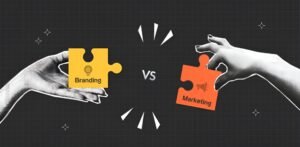
13. Branding vs. Marketing: The Human Explanation (Easy to Understand)
Many founders confuse branding and marketing.
Let’s simplify it:
- Branding: Who you are
- Marketing: How you tell people who you are
- Branding builds trust.
- Marketing drives action.
- Branding is emotional.
- Marketing is tactical.
- Marketing without branding = expensive.
- Branding without marketing = invisible.
- You need both — just in the right order:
- Branding first, marketing second.
- That’s how you scale without burning money.
14. Final Thoughts: If You Want Your Startup to Win in 2026, Build a Brand People Feel
- Your product matters.
- Your pricing matters.
- Your marketing campaigns matter.
- But what matters MOST in 2026?
- How your brand makes people feel.
A strong brand helps you:
- Stand out
- Build trust
- Reduce marketing costs
- Increase conversions
- Create loyal customers
- Startups that master branding don’t fight for attention — they naturally attract it.